Electrical Tips, Updates & Insights from AAA Electric
When Is an Electrical Panel Upgrade Worth the Cost
Introduction
An electrical panel is not something most homeowners think about—until something goes wrong. Lights flicker when the microwave runs. Breakers trip more often. A new appliance cannot be installed without “overloading” the system. These moments raise a practical question: Is upgrading the electrical panel actually worth the cost?
For many homes in Fishersville, VA, the panel was installed decades ago, when households used far less power. Today’s homes rely on HVAC systems, modern kitchens, home offices, entertainment equipment, and smart devices. The gap between what older panels were designed for and what modern homes demand continues to widen.
An electrical panel upgrade is a serious investment. It is also one of the most impactful improvements a homeowner can make. The key is knowing when it is truly justified—and when it is not.
What an Electrical Panel Upgrade Really Does
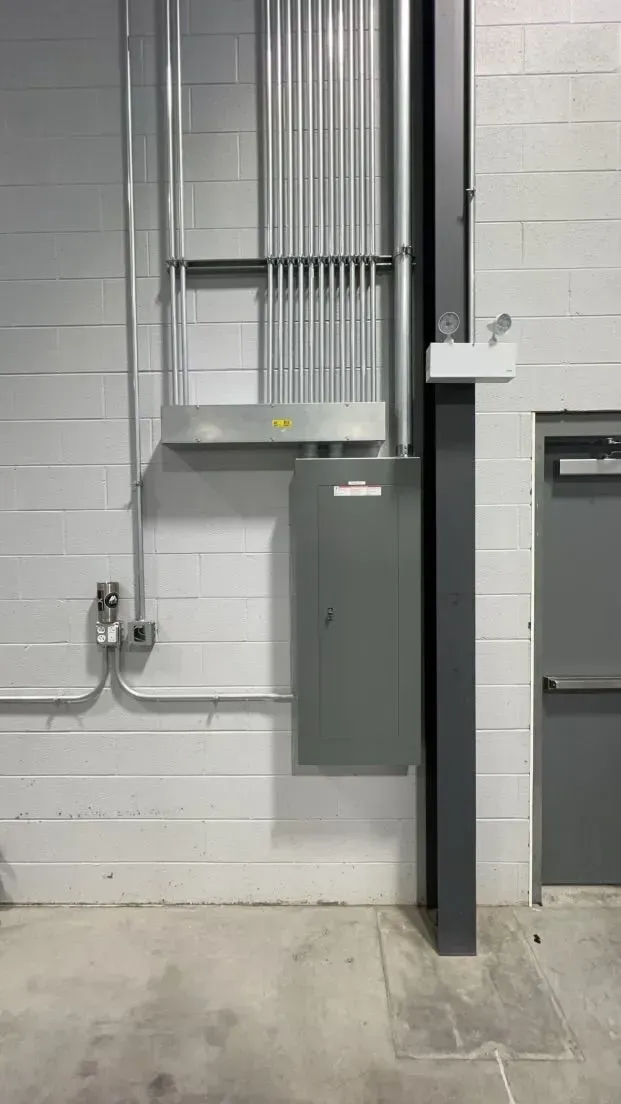
An electrical panel is the central hub that distributes power throughout your home. It controls how much electricity your house can safely handle and how that power is divided among circuits.
Upgrading a panel typically means:
Replacing an outdated breaker box
Increasing total amperage capacity
Improving grounding and bonding
Creating space for new circuits
Meeting current electrical code
This is not cosmetic work. It changes the electrical “capacity” of your home, much like widening a road allows more traffic to flow safely.
In many Fishersville homes, especially those built before the 1990s, panels were sized for lifestyles that no longer exist. What once worked for a few appliances and basic lighting now struggles under modern demand.
Clear Signs an Upgrade Is Worth It
Some situations make a panel upgrade not just worthwhile, but necessary. These are not abstract concerns—they affect safety, function, and long-term cost.
Frequent Breaker Trips
Breakers that trip repeatedly signal overloaded circuits. While adding a new circuit may help temporarily, persistent tripping often reflects a panel that has reached its limit.
Limited Circuit Space
Older panels may have no room for additional breakers. If every new appliance requires creative “workarounds,” the system is already stretched.
Use of Fuses or Obsolete Equipment
Homes with fuse boxes, Federal Pacific panels, or aging Zinsco equipment face higher risk of failure. Replacement is usually the safer and more economical long-term choice.
Major Renovations or Additions
Kitchen remodels, HVAC upgrades, EV chargers, and home additions all increase electrical demand. A panel upgrade prevents these improvements from being bottlenecked by outdated capacity.
Preparing to Sell
Outdated panels raise red flags during inspections. Buyers may negotiate aggressively or walk away when safety concerns surface.
Each of these scenarios points to a panel that no longer matches how the home is used.
Situations Where an Upgrade May Not Be Necessary
Not every home needs a new panel immediately. Some houses operate safely and efficiently on existing systems.
An upgrade may not be urgent if:
Breakers rarely trip
The panel has open capacity
No major appliances are planned
The home is small with modest load
The system meets modern safety standards
In these cases, targeted circuit upgrades or repairs may solve problems without replacing the entire panel.
The goal is alignment between your electrical demand and your system’s capacity. When those are balanced, replacement becomes optional rather than urgent.
How Cost Fits Into the Decision
Panel upgrades typically range from:
Costs vary based on amperage, utility coordination, grounding needs, and panel location.
The decision becomes worthwhile when the upgrade:
Prevents repeated electrical repairs
Enables planned improvements
Reduces safety risks
Removes sale obstacles
Eliminates workarounds and limitations
In other words, the upgrade pays for itself in avoided compromises. Instead of patching around a small system, the home gains long-term flexibility.
A Practical Decision Flow for Homeowners
Before committing, homeowners benefit from stepping through the decision logically.
Identify current electrical pain points
Tripping breakers, limited outlets, and appliance conflicts reveal strain.Consider future plans
Remodeling, EV charging, home offices, or HVAC upgrades increase demand.Evaluate system age and type
Panels older than 25–30 years often lack modern safety and capacity.Compare short-term fixes versus long-term solutions
Temporary workarounds can exceed the cost of one proper upgrade.Weigh safety and resale impact
Electrical integrity affects both daily use and market value.
This approach replaces guesswork with clarity.
Frequently Asked Questions
Does a panel upgrade improve safety?
Yes. Modern panels include better breaker technology, grounding, and fault protection.
Will my home use less electricity after upgrading?
No. The upgrade does not reduce consumption—it allows your home to handle power safely.
Is the upgrade disruptive?
Power is typically off for several hours during replacement. Most work is completed in one day.
Can I upgrade in stages?
The panel itself must be replaced in full, but circuit expansions can happen later.
Is this required by code?
Upgrades become mandatory when existing equipment is unsafe or when new loads exceed capacity.
Conclusion
An electrical panel upgrade is worth the cost when your home has outgrown its original design. Repeated breaker trips, limited capacity, outdated equipment, and future expansion plans all point toward a system that no longer fits modern living.
For homeowners in Fishersville, VA, the decision is rarely about luxury—it is about function, safety, and readiness. A panel that matches today’s demands removes friction from everyday life and prevents small problems from becoming constant obstacles.
AAA Electric LLC approaches panel upgrades as long-term solutions, helping homeowners invest once instead of repeatedly patching an aging system. When the foundation of your electrical system is right, everything built on it works better.

Our Services
Helpful Links
Contact Information
2016 Jefferson Hwy Fishersville, VA 22939
Business Hours
Mon - Fri: 9:00 am - 5:00 pm
Sat - Sun: Closed
© 2025 All Rights Reserved | AAA Electric